Creating a striking and useful landscape design plan is a gratifying endeavor that turns outdoor spaces into personal sanctuaries. Whether you're a homeowner keen to develop your garden, a DIY enthusiast, or a professional pursuing inspiration, learning the basics of creative landscape design can elevate your project. This guide will guide you through essential steps, innovative ideas, and sustainable practices to support you in building stunning landscapes that merge beauty, functionality, and environmental responsibility.
What Are the Key Steps to Start a Creative Landscape Design Plan?
Launching a successful landscape design calls for a reliable foundation based on thorough site analysis and careful garden layout. Conducting detailed site analysis permits you to recognize the particular attributes of your outdoor space, including soil quality, existing topography mapping, sun exposure, drainage patterns, and microclimates. These understandings shape how you will utilize different areas efficiently for various purposes.
Efficient space utilization is important; by designating distinct garden zones, you can set apart areas for relaxation, socializing, gardening, or play, making sure that the landscape addresses both aesthetic and functional goals. Treating the soil correctly through suitable soil preparation techniques like testing pH levels and amending nutrients builds the foundation for healthy plant growth.
Climate aspects must be taken into account at this stage to choose suitable plants and materials that flourish in your environment, encourage sustainable landscaping, and minimize maintenance challenges. Planning the overall garden layout with these factors in mind assures your creative vision fits practical realities for lasting success.
- Comprehensive site analysisTerrain mapping to comprehend elevation and drainageSoil conditioning for ideal planting conditionsThoughtful space utilization with specific garden zonesConsidering climate considerations for plant and material selectionDeveloping a unified garden layout
How Do You Incorporate Hardscape Elements into a Landscape Design Plan?
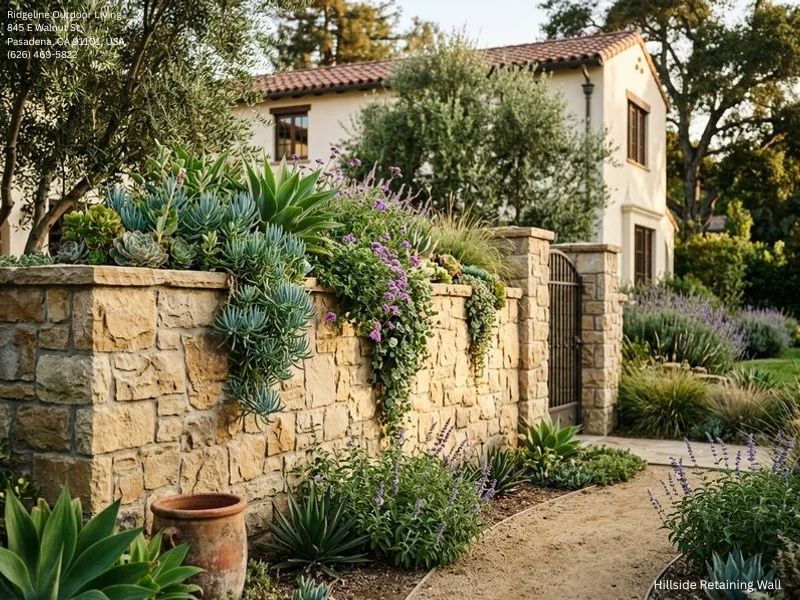
Hardscape elements function as the architectural framework in any landscape design. These components consist of pathways design, retaining walls, deck design, pergolas, garden structures, and outdoor furniture. Careful integration of these features augments movement, usability, and visual interest while blending with the natural surroundings.
In selecting landscape materials
for stonework, balance strength with visual charm to maintain balance between soft and hard elements. Well-designed pathways facilitate smooth circulation and emphasize focal points, while retaining walls manage elevation differences and avoid soil erosion.
Decks and pergolas extend outdoor living spaces, offering shade and seating options that promote extended enjoyment of the garden. Additionally, incorporating chic yet functional outdoor furniture and garden accessories forms inviting zones for relaxation and entertainment.
- Robust and harmonious landscape materialsPathways for ease of access and flowRetaining walls for structural support and designDeck and pergola designs for outdoor livingComfortable outdoor furniture arrangementFunctional garden structures improving space usage
What Role Does Plant Selection Play in Creative Landscape Design?
Choosing the right plants is central to obtaining appealing landscape aesthetics and French drains Pasadena ecological balance. Prioritizing native plants backs local ecosystems and decreases resource inputs by harmonizing with your area’s climate and soil. Incorporating seasonal plants brings dynamic color changes and textural variety throughout the year, enhancing the garden’s sensory experience.
Creative plant arrangement techniques like plant layering—arranging foliage by height and density—and mixing diverse garden textures build depth and interest. Thoughtful use of harmonious color schemes raises mood and highlights thematic elements, whether formal, casual, or wildlife-friendly.
Many designers utilize sustainable landscaping principles such as xeriscaping to conserve water, preferring drought-tolerant plants that prosper with minimal irrigation. Understanding the environmental impact of your selections promotes healthier gardens that exist respectfully with their surroundings.
- Foliage selection for diversity and textureEmphasizing native plants for sustainabilityUtilizing seasonal plants for year-round interestPlant layering to create structure and visual depthApplying coordinated color schemes and garden themesIncorporating xeriscaping and eco-conscious choices
How Can Technology and Tools Enhance Landscape Design Planning?
Modern technology has transformed the way landscape architects and enthusiasts plan and visualize garden designs. Starting from traditional landscape sketching, digital tools now enable more precision and flexibility. Using advanced design software, such as 3D modeling platforms, you can experiment with various garden layouts, test different plant placements, and replicate lighting effects before implementation.
Technology also aids in optimizing planting by applying advanced planting techniques
to secure species suitability and perfect growth conditions. Implementing smart irrigation systems within your plan increases water efficiency and reduces waste, while well-planned landscape drainage eliminates flooding or erosion problems.
Furthermore, planning with landscape lighting increases safety and nighttime aesthetics, hardscaping tips accentuating key features and expanding usability. Adopting these tools leads to thorough, adaptable plans that expect real-world conditions while supporting creativity.
- Classic and digital landscape sketchingSophisticated design software for visualizationEnhanced planting techniques for healthInclusion of efficient irrigation systemsCalculated landscape drainage planningInnovative landscape lighting solutions
What Are Fresh Ideas for Designing Visual Symmetry and Focal Points in Landscape Design?
Creating visual balance means forming harmony among different elements, so colors, forms, and textures blend cohesively. Creating strong focal points such as notable water features, unique garden art, or architectural garden structures like pergolas attract attention and stabilizes the design aesthetically.
Using garden borders clearly delineates spaces and adds structure, while careful placement of garden accessories and outdoor furniture improves usability without overcrowding. The interplay of hardscape and softscape components should seem balanced to direct visitors naturally and make the outdoor space attractive yet visually engaging.
- Aligning colors, shapes, and texturesForming compelling focal points using art and structuresDefining spaces with garden bordersIncreasing function with tasteful garden accessoriesHarmonizing hardscape and softscape elementsDeveloping outdoor spaces for flow and interest

How Can You Design Landscape Plans That Support Sustainability and Eco-Friendly Practices?
Adopting sustainable landscaping principles decreases environmental impact and fosters thriving ecosystems. Choosing native plants is one of the most effective strategies, as these plants demand less watering, fertilizer, and pesticides. Xeriscaping expands this approach by highlighting drought-resistant species and reducing high-maintenance lawn areas.
Employing composting converts organic waste into nutrient-rich soil amendments, enhancing soil health naturally. Eco-friendly design also includes opting for non-toxic, renewable materials and adding green spaces that support wildlife gardens, supporting biodiversity.
— develop different cultivation environments.
By identifying these microclimate zones, you can customize foliage selection and plant placement to accommodate each area’s individual demands. Giving wind protection with thoughtful planting or structures enhances resilience, while making use of sunlit areas for sun-loving species maximizes growth potential, creating a thriving, well-adapted landscape.
- Surveying sun and shade distributionEvaluating wind exposure and protection needsSpotting frost-prone areas and microclimate zonesDetermining plants fit for localized conditionsModifying garden layout to microclimate variations
Frequently Asked Questions (FAQs)
What is the first step in creating a landscape design plan?
The first step is carrying out a detailed site analysis to review soil conditions, topography, climate, and existing features to shape all design decisions.
How important are native plants in landscape design?
Native plants are essential for sustainability. They typically call for less water and fertilizer and help support local ecosystems and wildlife.
Can I mix hardscapes and softscapes effectively?
Of course. Merging hardscape elements like pathways and pergolas with vibrant planting forms functional, visually appealing, and balanced outdoor spaces.
What software tools are best for landscape design planning?
Popular options include SketchUp, AutoCAD, and specialized landscape design software such as Realtime Landscaping Architect, which enable 3D modeling and detailed planning capabilities.
How do I ensure my landscape design is eco-friendly?
Employ native or drought-resistant plants, install efficient irrigation systems, use composting, select sustainable materials, and cut down chemical inputs to support an eco-friendly garden.
How do focal points improve garden aesthetics?
Focal points capture and spark curiosity, helping to organize the layout and guide movement throughout the outdoor space for a cohesive, inviting atmosphere.
ConclusionDeveloping innovative landscape design plans includes a deliberate combination of site analysis, smart plant and material selection, use of technology, and incorporation of sustainable practices. Combining hardscape elements with dynamic planting schemes and designing for visual balance with focal points can convert outdoor spaces into gorgeous, functional retreats. By adopting eco-friendly strategies and maintenance routines suited to your unique site conditions, you will guarantee your landscape not only seems gorgeous but flourishes for years to come. Start planning today to reveal the full potential of your garden and outdoor living space.
Ridgeline Outdoor Living
Ridgeline Outdoor Living is a Pasadena-based landscape design-build company serving Greater Los Angeles with custom outdoor living, hardscape, and drought-tolerant landscape solutions. The company specializes in patios, retaining walls, outdoor kitchens, drainage, hillside projects, and turnkey landscape construction, handling projects from design and permitting through final build and warranty.
Address:
845 E Walnut St,
Pasadena,
CA
91101,
United States
Phone: (626) 469-5822
Map: View on Google Maps
Business Hours:
- Monday – Saturday: 8:00 AM – 6:00 PM
- Sunday: Closed
Follow Us: