Landscaping is a crucial investment for commercial properties seeking to enhance appearance, functionality, and property value. Understanding the comprehensive process of landscape construction, from site preparation to maintenance planning, equips property managers, developers, and business owners with crucial insights to make informed decisions. This article delivers an expert guide on what commercial properties can anticipate from professional landscape construction services in 2025, highlighting key phases, sustainability practices, regulatory compliance, and more.
What Defines the Key Phases of Landscape Construction for Commercial Properties?
Landscape construction for commercial properties moves along a strategic progression crafted to remodel raw land into vibrant, functional outdoor spaces. The process commences with meticulous site preparation, entailing clearing existing vegetation and debris, conducting thorough soil analysis, and implementing precise grading to promote effective drainage solutions that reduce erosion. Complying with zoning regulations during this phase confirms all designs meet local commercial standards.
Next is the design implementation, where approved landscape design and planting plans are put into effect under experienced project management. This stage integrates both softscaping—such as tree planting, ground cover, and mulch application—and hardscaping elements.
The infrastructure installation phase includes setting up essential irrigation systems, installing engineered retaining walls for soil stabilization, constructing durable walkways, and integrating other key features such as fence installation and outdoor furniture. Utilization of high-quality construction materials guarantees longevity designed for the high foot traffic typical of commercial environments.
Finishing touches comprise deploying landscape lighting and outdoor signage, combined with adding water features and accessibility enhancements to facilitate all users, meeting safety and commercial zoning mandates.
Finally, rigorous quality control confirms that every aspect meets safety standards and environmental compliance before project sign-off.
How Can Landscape Construction Shape Commercial Property Value and Aesthetic Appeal?
A well-crafted landscape greatly enhances a commercial property's street appeal and market value. By utilizing principles of landscape architecture, designers develop engaging spaces that blend practicality with beauty. Thoughtful incorporation of seasonal color through flower rotations and the use of native plants enhances year-round vibrancy while lowering maintenance burdens.
Green spaces developed through expert landscape construction provide inviting environments for tenants and visitors, fostering longer dwell times and positive brand impressions. Moreover, well-planned walkways and accessible outdoor amenities enhance flow and user experience, directly resulting in higher occupancy and tenant satisfaction.
Integrating sustainable landscaping methods reduces ongoing operational costs and matches growing environmental awareness, which is increasingly valued in real estate markets today.
Which Environmental and Sustainability Factors Are Essential in Commercial Landscape Construction?
Sustainability is central to modern commercial landscape construction strategies. Selecting drought-resistant native plants limits water consumption while supporting local biodiversity, an crucial component of environmental stewardship. Implementing advanced stormwater management solutions like bioswales and permeable pavements limits runoff, safeguarding surrounding ecosystems and cutting flood risks.
Techniques such as composting and organic mulching techniques enhance soil fertility naturally, promoting healthier plant growth and reducing reliance on chemical fertilizers. Additionally, robust erosion control via retaining walls and sloped grading maintains soil integrity during adverse weather conditions.
Environmental impact assessments during project planning guarantee compliance with local regulations and help carbon footprints, showing corporate responsibility and sometimes granting tax incentives or certifications.
What Is the Significance of Irrigation and Drainage in Commercial Landscape Projects?
Well-maintained irrigation systems and well-constructed drainage solutions are the foundation of a healthy commercial landscape. Automated irrigation technologies improve water delivery schedules and quantities, promoting water efficiency
andsubstantially reducing waste. Properly installed drainage eliminates waterlogging that can harm plant health and infrastructure.
Precise grading makes certain rainwater and irrigation runoff are diverted from buildings, walkways, and other key areas, thereby minimizing structural damage. Innovations like rainwater harvesting and smart landscape automation further promote sustainability by reusing water and facilitating adaptive monitoring of system performance.
How Is Maintenance Planning Addressed During Commercial Landscape Construction?
Maintenance is a tactical element incorporated during the construction phase to protect investment value and maintain lasting landscape quality. Designs prioritize turf management and plant health techniques that lower the demand for continuous interventions. Scheduled programs involving pest control and weed control safeguard greenery from infestations and invasive species.
Seasonal tasks such as snow removal in colder climates are added into comprehensive maintenance plans to protect plantings and hardscape from damage. Mulching aids in moisture retention and weed suppression, simplifying upkeep routines. Clients often receive recommendations for professional ongoing care or training for on-site staff to manage daily upkeep efficiently.
What Are the Safety Standards and Regulatory Requirements Commercial Properties Must Follow in Landscape Construction?
Compliance with safety standards and legal requirements is vital in commercial landscape projects. Adhering to local zoning regulations regulates permissible plant species, structural elements, and signage, securing conformity with municipal codes. Accessibility guidelines, such as ADA requirements, mandate barrier-free walkways and amenities that cater to all users.
Use of non-toxic materials and safe construction practices secures workers during installation and occupants afterward. Effective project management guarantees ongoing monitoring of site safety and regulation adherence, preventing costly penalties and safeguarding insurance coverage.
What Are Common Hardscaping Elements Included in Commercial Landscape Construction?
Hardscaping supplements natural landscaping by delivering durability and boosting functionality. Typical features include:
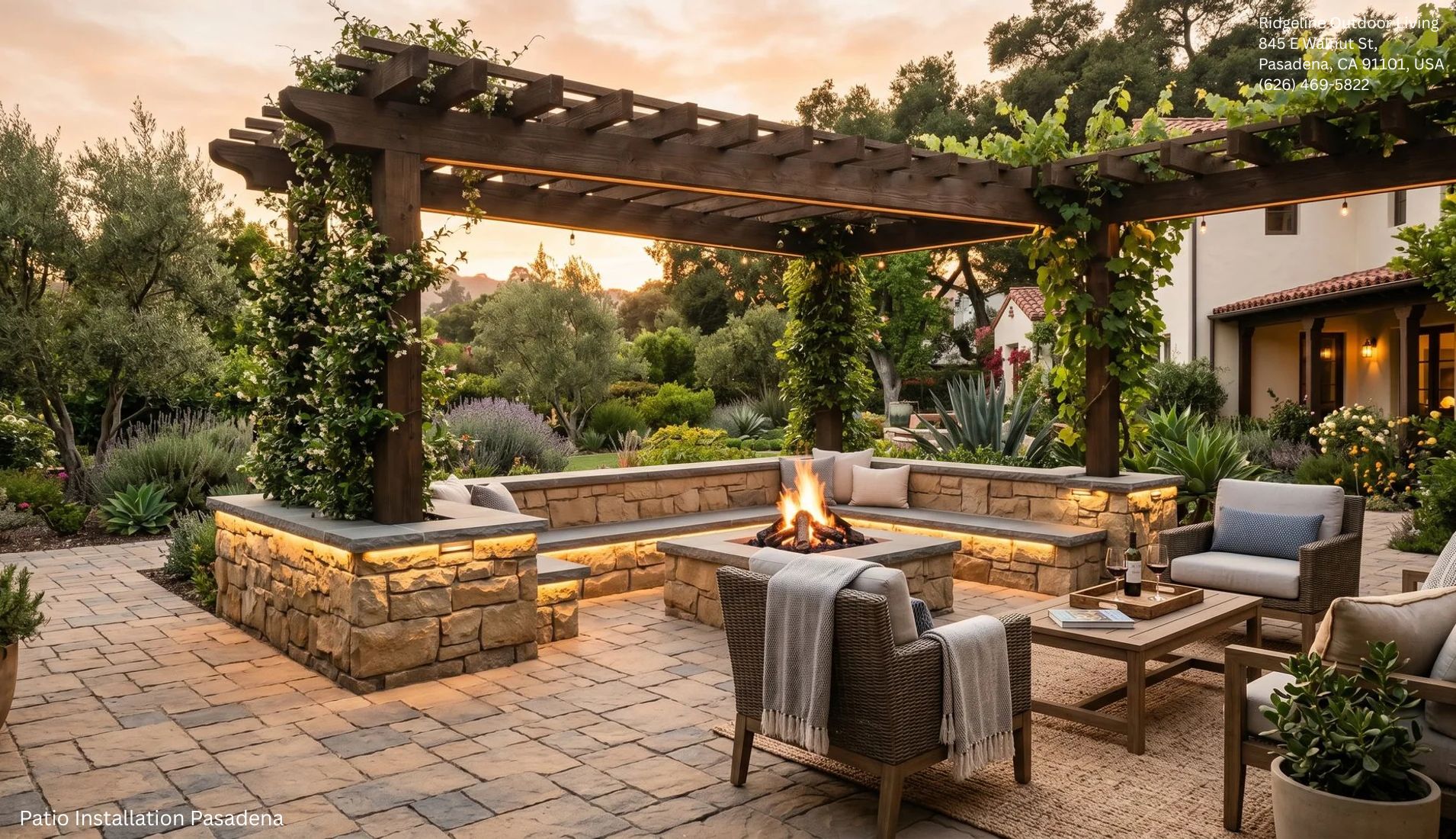
- Walkways built with commercial-grade paving ensuring resistance to heavy foot traffic. Retaining walls which secure soil and introduce dimensional aesthetics. Fence installation for safety and perimeter marking. Outdoor furniture designed for durability against elements and comfort, creating social and rest areas. Lighting installation which improves safety and emphasizes landscape features during evening hours.
Integrating these elements enhances the overall landscape architecture, keeping commercial spaces welcoming and practical.
How Does Climate Affect Landscape Construction Choices for Commercial Properties?
Climate profoundly impacts material selection, plant species, and energy efficiency strategies applied during best garden landscapers Pasadena landscape construction. Regions with low rainfall stress drought-resistant plants and robust irrigation controls, while colder zones demand consideration of frost-resistant vegetation and winter maintenance like snow removal.
Designers also consider seasonal color schemes to maintain visual interest throughout changing weather patterns. Energy-efficient landscape lighting and shading from strategically placed trees contribute to lower heating and cooling costs of adjacent buildings.
What Innovations Are Emerging in Commercial Landscape Construction?

Technological advancements are influencing the future of commercial landscape construction. Smart irrigation systems leverage sensors and automated controls to optimize water usage dynamically. Landscape automation includes lighting controls that adapt to ambient conditions, enhancing energy conservation.
New materials for hardscaping stress sustainability, including permeable surfaces that help with stormwater management. Additionally, integration of renewable energy sources such as solar-powered lighting exemplifies the trend toward eco-friendly outdoor environments.
How to Effectively Budget and Estimate Costs for Commercial Landscape Projects?
Accurate cost estimation necessitates careful evaluation of project scope, including construction materials, labor, design complexity, and ongoing maintenance commitments. Early-stage project management guarantees all factors are accounted for, avoiding unexpected expenses.
Contracting experienced landscape contractors
that offer clear costs and established timelines helps real estate stakeholders manage finances and carry out projects within allocated funds while meeting quality requirements.
Common Questions (FAQ)
Q1: What is the expected timeline for a commercial landscape construction project?
A: The length of the project depends on size and complexity, typically lasting from a few weeks to several months, affected by site conditions, weather, and permits.
Q2: Can landscape construction improve energy efficiency in commercial buildings?
A: Yes, planned tree planting supplies shade that lowers cooling costs, combined with energy-efficient lighting and reflective elements to save energy.
Q3: Which plants are most suitable for commercial landscape projects?
A: Preferred plants include native and drought-tolerant species due to their resilience, low upkeep, and eco-friendliness.
Q4: What factors should I consider when selecting a reliable landscape contractor for commercial property?
A: Consider contractors with confirmed experience in commercial projects, official licensing, good client feedback, honest estimates, and thorough warranties.
Q5: Which maintenance tasks are needed following landscape construction?
A: Regular turf care, pest and weed control, irrigation system inspections, seasonal pruning, snow removal if necessary, hardscaping tips and maintaining landscape lighting are essential for preserving landscape integrity.
ClosingCommercial properties investing in landscape construction can expect a multi-phase process focused on enhancing property value, aesthetics, and sustainability. From thorough site preparation and expert landscape design to the installation of efficient irrigation systems and durable hardscaping, each step is critical to delivering a beautiful and functional outdoor environment. Compliance with safety and zoning regulations, paired with proactive maintenance planning, ensures that landscaping investments continue to yield benefits long-term. By partnering with knowledgeable landscape contractors, commercial property stakeholders can realize outdoor spaces that impress tenants, attract customers, and contribute positively to community and ecological well-being.
Set to improve your commercial property with skilled landscape construction? Connect with licensed professionals to explore tailored solutions that align with your goals and budget.
Ridgeline Outdoor Living
Ridgeline Outdoor Living is a Pasadena-based landscape design-build company serving Greater Los Angeles with custom outdoor living, hardscape, and drought-tolerant landscape solutions. The company specializes in patios, retaining walls, outdoor kitchens, drainage, hillside projects, and turnkey landscape construction, handling projects from design and permitting through final build and warranty.
Address:
845 E Walnut St,
Pasadena,
CA
91101,
United States
Phone: (626) 469-5822
Map: View on Google Maps
Business Hours:
- Monday – Saturday: 8:00 AM – 6:00 PM
- Sunday: Closed
Follow Us: