Creating a thriving, water-conserving yard in Glendale, CA is effortless with dry-landscape gardening. These durable plants grow well in Southern California’s arid climate, allowing homeowners conserve water while maintaining beautiful outdoor spaces. Whether you’re a seasoned gardener or a amateur looking to adopt green gardening, learning which flora thrive in Glendale’s distinctive environment is important. This extensive guide examines best native species, succulents, grasses, and flowering shrubs well-suited for xeriscaped areas in Glendale 91020.
Introduction to Dry-Landscaping in Glendale, CA
Water-wise gardening, also known as xeriscaping, is a practical solution for Glendale residents facing limited water resources and hot summers. By using flora that naturally need fewer water, you can establish an beautiful and easy-care garden that saves our scarce resources. Water-efficient gardening not only cuts your utility bills but also supports the local ecosystem by using species suited for Southern California’s Mediterranean climate.
The upsides of xeriscaping include lowered irrigation needs, minimized pests, and better soil health. Moreover, incorporating xeric plants aligns seamlessly with the current efforts to promote green living practices in Glendale and around California.
Why Pick Dry-Resistant Plants?
Selecting water-wise species offers various positives beyond just water reduction. These tough plants have evolved to endure prolonged dry spells, rendering them perfect choices for a eco-friendly landscape. Their robust root systems strengthen soil structure and reduce erosion, helping the environment.
By conserving water, these flora cut down demand on local water supplies and assist alleviate the effects of drought. Additionally, dry-friendly gardens often take less maintenance, saving time and effort for busy homeowners. Using native and adapted flora also boosts biodiversity, supporting habitat and food for pollinators and local wildlife.
Top Native Xeric Plants for Glendale, CA
Native vegetation are ideally suited for Glendale’s climate due to their adaptability and reduced water requirements. Including them into your landscape promotes ecological balance and often enhances garden resilience.
- Manzanita (Arctostaphylos spp.): Recognized for its beautiful red bark and evergreen foliage, manzanita thrives in full sun and dry soils. Ceanothus (California Lilac): This shrub produces clusters of blue flowers and lures pollinators while minimally needing little water once established. Toyon (Christmas Berry): A resilient chaparral shrub with vivid red berries, suitable for bringing winter interest and supporting birds. California Buckwheat (Eriogonum fasciculatum): A versatile, drought-tolerant ground cover with soft white to pink blooms. California Sagebrush (Artemisia californica): Perfumed and silvery-leafed, this shrub is a typical Southern California coastal plant. California Poppy (Eschscholzia californica): The state flower features vibrant orange blooms and does well in poor, dry soils. Elderberry (Sambucus mexicana): Produces attractive foliage and berries that assist wildlife diversity. Purple Sage (Salvia leucophylla): Adds stunning purple flowers and aromatic foliage that repels pests naturally.
These native plants collectively deliver year-round visual appeal while lowering irrigation needs significantly.
Best Succulents and Cacti for Glendale Landscaping
Succulents and cacti are known with drought resistance due to their water-storing properties. They add unique textures and shapes to any landscape while minimally needing low care and water.
- Agave: Popular for architectural focal points, agaves have striking rosette forms and need very little water. Aloe Vera: Beyond its medicinal uses, aloe vera is a tough succulent that handles heat and drought exceptionally well. Prickly Pear Cactus (Opuntia): Displays colorful pads and edible fruit, doing well in dry conditions with little fuss. Yucca: Shows spiky leaves and tall flower spikes, suitable for providing vertical interest. Desert Spoon (Dasylirion wheeleri): A sculptural plant with slender, spiny leaves adapted to harsh environments. Snake Plant (Sansevieria trifasciata): Famous for its upright leaves and remarkable tolerance to drought and neglect.
Including these succulents and cacti introduces assortment and hardscaping tips organization to your drought-tolerant garden plan.
Ornamental Grasses and Ground Covers Adapted to Drought Conditions
Decorative grasses and xerophytic ground covers can reduce landscape edges, curb soil erosion, and inhibit weeds while preserving moisture.
- Muhly Grass (Muhlenbergia rigens): This native grass shows delicate pink to purple plumes and flourishes with minimal water. Blue Grama (Bouteloua gracilis): A delicately-textured grass with spiraled seed heads that handle heat and drought brilliantly. Ice Plant (Delosperma cooperi): A succulent ground cover producing plentiful magenta flowers and excellent drought resistance. Silver Dollar Plant (Lunaria annua): While rare, it offers unique, silvery seed pods and fair drought tolerance.
These species are suitable as accents or underplanting in xeriscapes to preserve greenery and color with reduced irrigation.
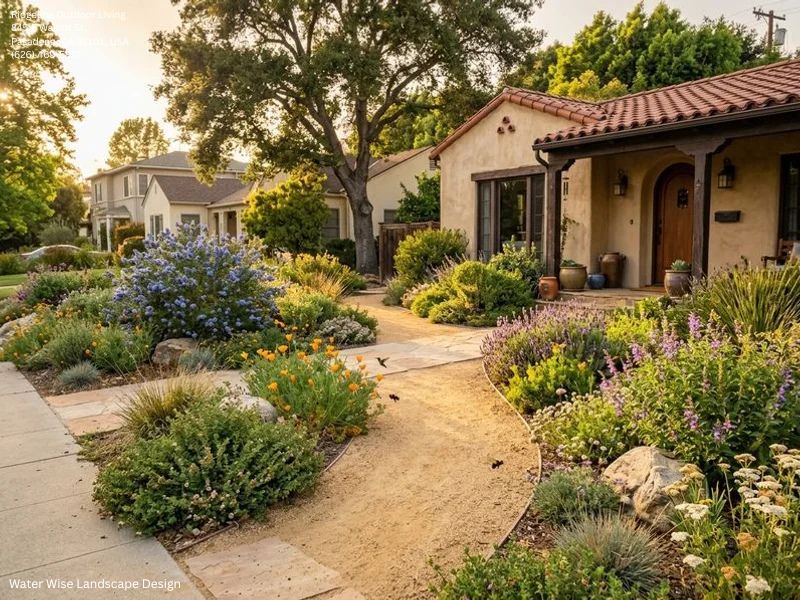
Water-Wise Flowering Shrubs and Perennials
Including flowering shrubs and perennials adds seasonal color and lures pollinators, boosting the ornamental and environmental value of your landscape.
- Lantana: Displays clusters of vibrant flowers that flourish under full sun and low water conditions. Oleander: A sturdy shrub with perfumed blooms in different colors, adapted to hot, dry sites. Bottlebrush (Callistemon): Identifiable for its bright red, brush-like flowers drawing hummingbirds. Desert Marigold (Baileya multiradiata): Produces long-lasting yellow blooms in arid landscapes. Penstemon: Displays tubular flowers liked by bees and hummingbirds and tolerates drought well. Desert Willow (Chilopsis linearis): A small tree with trumpet-shaped flowers, perfect for dry yards requiring shade. Monkey Flower (Mimulus): Offers colorful blossoms and withstands dry soil conditions. Lavender: Noted for its fragrance and purple flowers, it flourishes with low water once established. Rosemary: An evergreen herb with aromatic foliage and blue flowers, prospering in Glendale’s climate. Agastache : Invites pollinators with its sprays of flowers and thrives in hot, sunny areas.
Ways to Design and Care for a Drought-Tolerant Landscape in Glendale
Developing an successful drought-tolerant garden involves thoughtful planning and ongoing care. Use xeriscaping principles by grouping plants according to water needs and picking soil amendments that enhance moisture retention.
Appropriate soil preparation is crucial—amend compacted soils with organic matter and maintain good drainage. Mulching around plants will retain moisture, control weeds, and manage soil temperature.
For irrigation, use drip systems or soaker hoses to deliver water straight to roots, lowering evaporation. Adjust watering schedules based on seasonal weather, offering less water in cooler months and focusing more during the hottest periods.
Routine pruning and clearing dead material boost plant health. Observing for pests and diseases hardscape construction services early helps keep the landscape healthy without excessive chemical use.
Locations for Drought-Tolerant Plants Near 91020
Purchasing quality drought-resistant plants locally supports sustainable gardening and ensures species adapted to Glendale’s conditions. Several nurseries in and around Glendale offer native and drought-tolerant plants, giving expert advice to customers.
Joining native plant societies or gardening clubs can introduce you to knowledgeable growers and regional plant sales. Many online suppliers also offer a wide selection of drought-tolerant and native plants with delivery options available for Glendale residents.
Frequent Errors to Watch Out For When Creating a Drought-Tolerant Garden
While drought-tolerant gardening can be manageable, some errors can threaten success:
- Overwatering: Overabundant water cancels out drought tolerance and can lead to root rot. Poor Soil Choice: Overlooking soil quality can impede plant establishment and growth. Choosing Unsuitable Plants: Not all “drought-tolerant” plants perform well in Glendale’s microclimate. Neglecting Pest Resistance: Selecting plants prone to pests causes costly treatments and plant loss.
Environmental Impact of Using Native vs. Non-Native Drought-Resistant Plants
Employing native plants boosts local biodiversity by encouraging native insects, birds, and other wildlife. Native species are less prone to becoming invasive, protecting the ecological balance. In contrast, some non-native drought-resistant plants may invade new areas and disturb natural habitats.
Valuing natives fosters a resilient landscape that demands minimal inputs like fertilizers and pesticides, contributing to environmental health and sustainability.
Integrating Aesthetic Appeal with Functionality in Xeriscaping
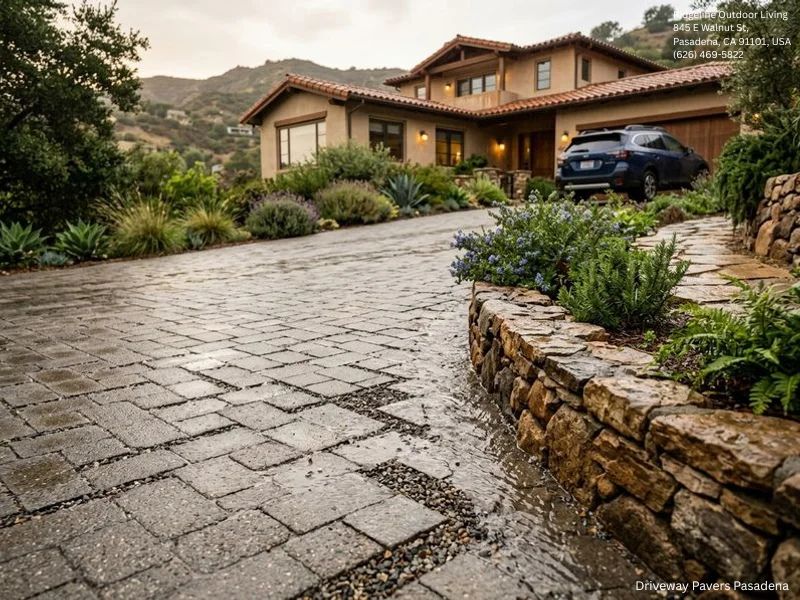
Successful xeriscape design balances beauty and practicality. Utilize plants of varied heights, textures, and colors to produce visual interest and seasonal changes. Add hardscape features like stone pathways, decorative rocks, and mulch beds to strengthen structure and decrease maintenance.
Color coordination between foliage and blooms, along with careful placement of focal plants such as agave or manzanita, offers depth to the landscape. Uniting these elements creates a drought-tolerant garden that appears intentionally crafted and welcoming year-round.
Frequently Asked Questions About Drought-Tolerant Landscaping in Glendale, CA 91020
- What renders a plant drought-tolerant? Plants that cleverly hold water, have deep root systems, or limit water loss through leaf adaptations are considered drought-tolerant. Are native plants better for Glendale drought conditions than exotic succulents? Both can be helpful, but native plants typically benefit the local ecosystem better and require less care once established. How often should I water drought-resistant plants during summer? Most demand deep watering every 2-3 weeks, but observe specific needs as some endure longer dry periods. Can drought-tolerant plants withstand frost or cold snaps in Glendale? Many native species are adapted to mild frosts, but tender succulents may need protection during cold weather. Which drought-tolerant plants appeal to local wildlife or pollinators? Ceanothus, toyon, sagebrush, and penstemon are excellent for drawing in bees, butterflies, and birds. What are the maintenance requirements for xeriscape gardens? Typically low—requiring occasional pruning, mulching, and seasonal watering adjustments. Where can I find native plant resources or nurseries near Glendale? Local nurseries specializing in natives, the California Native Plant Society chapters, and reputable online growers are trusted resources.
Ridgeline Outdoor Living
Ridgeline Outdoor Living is a Pasadena-based landscape design-build company serving Greater Los Angeles with custom outdoor living, hardscape, and drought-tolerant landscape solutions. The company specializes in patios, retaining walls, outdoor kitchens, drainage, hillside projects, and turnkey landscape construction, handling projects from design and permitting through final build and warranty.
Address:
845 E Walnut St,
Pasadena,
CA
91101,
United States
Phone: (626) 469-5822
Map: View on Google Maps
Business Hours:
- Monday – Saturday: 8:00 AM – 6:00 PM
- Sunday: Closed
Follow Us: